.png)


In urgent need of assistance from our Incident Response team? Click below to email directly and get support.
Get Support
Set up regular vulnerability scans for Web Apps & Infrastructure with our innovative SecurePortal
Learn More
Your Central Platform For Security Risks
GuardNest streamlines vulnerability management into one intuitive platform.
View GuardNest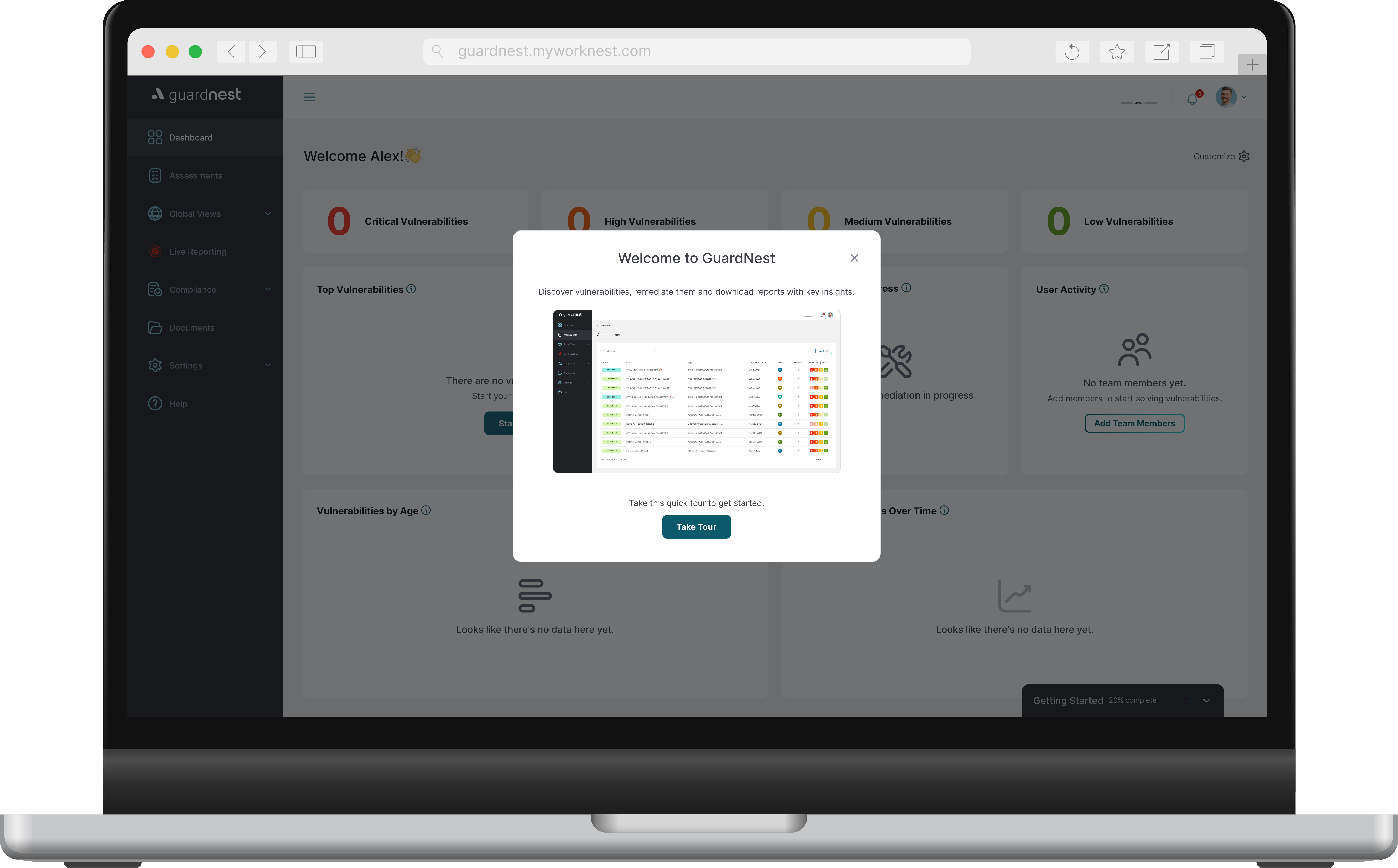

Introducing E-Learning – Accredited Security Training, Seamlessly Integrated Into GuardNest
Read
Need Our Assistance?
We now offer Incident Response Retainers helping you reduce damage from a cyber attack
Read
Your Guide to the Upcoming Cyber Essentials Changes


Cyber Essentials 2026: Your Guide to the Upcoming April Changes
The Cyber Essentials scheme, a UK Government-backed initiative, plays a crucial role in helping organisations secure themselves against a range of common cyber-attacks. As April 2026 approaches, significant updates to the Cyber Essentials scheme are set to take effect.
These changes are designed to enhance the robustness of the certification and better reflect the realities of modern IT environments, particularly concerning cloud adoption and evolving authentication methods. This blog will provide a comprehensive overview of what’s changing, why it matters, and how your business can prepare to meet these new requirements.
What's Changing and Why it Matters to You
The April 2026 updates address critical security gaps by enforcing comprehensive scoping, timely patching, and mandatory Multi-Factor Authentication (MFA).
The Cyber Essentials scheme is being updated to address common issues identified through breach investigations and scheme audits, such as inconsistent scoping, delayed patching, and the partial implementation of Multi-Factor Authentication. These updates are not merely administrative; they represent a fundamental enhancement of the scheme's ability to provide genuine Cyber Security assurance. For businesses, understanding these changes is vital to ensure their continued certification, maintain trust with clients and partners, and protect their valuable data and operations. Failing to adapt can lead to non-compliance, failed renewals, and increased vulnerability to cyber incidents.
The Core Changes Explained: What You Need to Know for April 2026
The upcoming revisions to the Cyber Essentials scheme introduce several key changes designed to bolster an organisation's security defences. These updates will impact how businesses implement and maintain their Cyber Security practices.
Multi Factor Authentication (MFA): From Recommendation to Mandate
One of the most significant changes is the mandatory requirement for Multi-Factor Authentication (MFA). Previously a strong recommendation, MFA will now be a mandatory control for securing access to all cloud services and remote access solutions. This means that wherever an organisation utilises cloud services like email, file storage, or any other SaaS application, and for all remote access to the organisation's IT Infrastructure, MFA must be implemented for every user. This move is critical as MFA is proven to be one of the most effective measures against account compromise and unauthorised access, significantly reducing the risk of credential stuffing attacks.
Comprehensive Scoping of Cloud Services
The way organisations define and scope their cloud services is being made more rigorous. The previous iteration of the scheme sometimes led to ambiguity regarding which cloud services and cloud platforms fell under its purview. The updated scheme demands a comprehensive and unambiguous approach to scoping. This includes all IaaS, PaaS, and SaaS offerings. Businesses will need to clearly identify and secure all their cloud services, ensuring that they are appropriately configured and protected according to the scheme's requirements. This ensures that organisations aren't overlooking critical cloud-based assets.
Enhanced Patch Management & Security Update
Timely patching and the deployment of security updates remain foundational to Cyber Security, and the Cyber Essentials scheme is reinforcing this. The updated requirements will enforce a stricter stance on the timely application of patches for all operating systems and software. Organisations will need to demonstrate robust processes for identifying, testing, and deploying security updates promptly across their entire IT Infrastructure. This includes addressing vulnerabilities that could be exploited by attackers, thereby reducing the window of opportunity for breaches.
Refining IT Infrastructure Scoping
The definition and scoping of an organisation's IT Infrastructure are being refined to ensure comprehensive coverage. This includes clarifying what constitutes essential infrastructure that must be secured, such as network devices, end-user devices, and any on-premises servers. The aim is to eliminate any grey areas, ensuring that all critical components of an organisation's digital environment are subject to the Cyber Essentials controls. This ensures a more holistic approach to securing the organisation's digital footprint.
Embracing Passwordless Authentication
While MFA is becoming mandatory, the updated scheme also looks towards the future of identity security by acknowledging and encouraging modern authentication methods. Notably, Passkeys are being integrated into the guidance. Passkeys offer a more secure and user-friendly alternative to traditional passwords, utilising public-key cryptography to authenticate users without the need for shared secrets. This represents a forward-thinking aspect of the scheme, nudging organisations towards adopting more advanced and secure authentication technologies beyond just MFA. Embracing Passkeys can significantly enhance user experience while bolstering Cyber Security.
Strengthened Application Development Security
The updated scheme places greater emphasis on the security of application development. This involves ensuring that secure coding practices are adopted throughout the development lifecycle. Organisations should ensure that applications are built with security in mind from the outset, addressing potential vulnerabilities before they can be exploited. This proactive approach minimises the risk of exploitable flaws in custom or third-party applications that form part of an organisation's IT Infrastructure.
Improved Backup Guidance
Robust backup strategies are a critical defence against data loss and ransomware attacks. The Cyber Essentials scheme is improving its guidance on backups to ensure organisations have effective mechanisms in place to recover their data and operations following an incident. This includes guidance for testing backups and ensuring they are stored securely and are isolated from the main network to prevent them from being compromised by malware. Stronger backup guidance is essential for business continuity.

Preparing for Cyber Essentials 2026 Now
The April 2026 deadline for the updated Cyber Essentials scheme is fast approaching. Proactive preparation is key to ensuring a smooth transition and avoiding disruptions to your certification and renewals.
Immediate Steps: Start Your Review Today
Begin by thoroughly reviewing your current Cyber Security practices against the known upcoming changes. Pay close attention to your MFA implementation, the scope of your cloud services, and your patching procedures. Conduct an internal audit to identify any gaps in your IT Infrastructure and operating systems security.
Mid-Term Strategies: Strengthening Your Defences
Implement the necessary changes to meet the new requirements. This may involve investing in new security solutions, updating policies and procedures, and providing additional training for your user base. Focus on embedding the principles of continuous improvement for your security posture and security coverage.
Seeking Expert Guidance and Support
Navigating these changes can be complex. Consider engaging with accredited Cyber Essentials certification bodies or Cyber Security consultants. They can provide expert advice, conduct gap analyses, and assist with the certification process, ensuring your organisation is well-prepared for the updated scheme. Early consultation simplifies future renewals and ensures ongoing compliance.
Strategic Advantage: Why Stronger Cyber Essentials Benefits Your Business
Adopting the updated Cyber Essentials requirements offers more than just compliance; it provides a strategic advantage.
Beyond Certification
By implementing the enhanced controls required by Cyber Essentials 2026, your organisation will build genuine Cyber Resilience. This improved security posture not only protects against cyber-attacks but also enhances trust with customers, partners, and stakeholders. Demonstrating a commitment to robust Cyber Security is increasingly a differentiator in the marketplace and a requirement for many supply chains.
A Foundation for Future
The updated Cyber Essentials scheme provides a solid foundation for adopting future security solutions. As technology advances, organisations that have robust, well-managed security practices are better positioned to integrate new innovations and adapt to emerging threats. This forward-thinking approach supports long-term business growth and sustainability. The UK Government's emphasis on Cyber Essentials for procurement further highlights its importance for business development.
Conclusion: A Call to Action for a Secure Future
The forthcoming changes to the Cyber Essentials scheme in April 2026 represent a critical evolution in UK Government-backed Cyber Security standards. By making Multi-Factor Authentication mandatory, demanding comprehensive cloud service scoping, and reinforcing patch management, the scheme is ensuring that businesses are better equipped to defend against the persistent and evolving threat landscape. The move towards continuous security posture and the acknowledgement of Passkeys signal a maturing approach to protecting digital assets and users.
For businesses, this is not a time for complacency. Proactive engagement with these upcoming changes is essential. Here at Pentest People, we can support you in your Cyber Essentials journey, whether you are starting your journey or looking to renew your cyber essentials. Get in touch with our team today to discuss how we can support your business.
Download our free Cyber Essentials guide here
.svg)



.webp)


