.png)


In urgent need of assistance from our Incident Response team? Click below to email directly and get support.
Get Support
Set up regular vulnerability scans for Web Apps & Infrastructure with our innovative SecurePortal
Learn More
Your Central Platform For Security Risks
GuardNest streamlines vulnerability management into one intuitive platform.
View GuardNest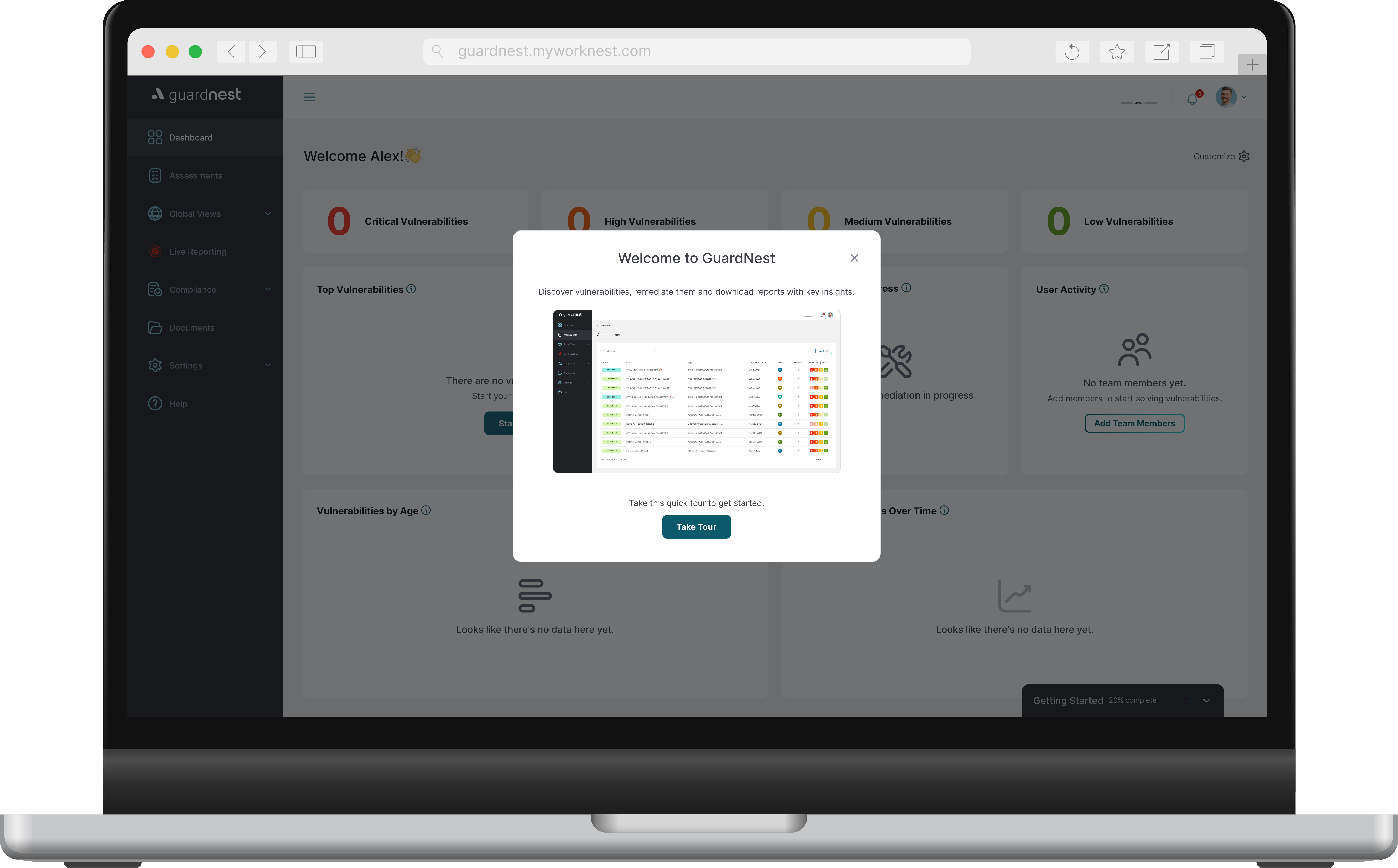

Introducing E-Learning – Accredited Security Training, Seamlessly Integrated Into GuardNest
Read
Need Our Assistance?
We now offer Incident Response Retainers helping you reduce damage from a cyber attack
Read
The Web Application Penetration Testing Checklist: Secure Every Layer


From broken access control to server-side request forgery, the OWASP Top 10 highlights critical risks that must be addressed to fortify your web environment. Each threat carries unique challenges that can compromise your application, making penetration testing an indispensable practice. By dissecting these threats, you can pinpoint weaknesses and implement strategies to bolster your defences against attacks.
Penetration testers use this checklist to identify and address vulnerabilities in the application. This updated checklist focuses on threats like SQL Injection, access control issues, and cross-site scripting. By addressing these areas, organisations can significantly improve their security posture and protect against potential cyber threats. Adhering to this checklist is not only about compliance but also about establishing best practices to maintain robust application security. Let's delve into understanding these prevalent risks and mitigating strategies.
Understanding OWASP Top 10 Risks
Recognising OWASP's top 10 is crucial for any web application security effort. These risks represent the most pressing and common threats across applications worldwide. They range from simple input validation errors to complex session hijacking issues. Understanding each risk enables organisations to tailor their security measures effectively.
For example, SQL Injection occurs when an attacker injects malicious queries into an application. This can lead to unauthorised database access, causing severe data exposure. Similarly, cross-site scripting flaws allow attackers to inject scripts into web pages viewed by others. Such vulnerabilities can result in data theft or session hijacking.
Another critical risk is access control misconfigurations, which can let unauthorised users gain access to restricted content. Addressing these vulnerabilities requires continuous security audits and adopting secure development practices. By staying updated with the latest OWASP guidelines, security teams can better prepare for and respond to evolving cyber threats.
A01: Broken Access Control
Broken access control occurs when unauthorised users gain access to restricted areas of a web application. This usually happens due to improper implementation of access policies. To mitigate this risk, regular security audits are necessary. Testing for weak permissions and ensuring strict access controls can prevent unauthorised access. Keeping an eye on how permissions are assigned and adjusted over time is also crucial.
A02: Cryptographic Failures
Cryptographic failures happen when data is not properly encrypted, making it vulnerable to attacks. It is essential to use strong encryption methods to protect sensitive information. Regularly updating cryptographic protocols and avoiding outdated algorithms can help mitigate this risk. Ensuring data confidentiality and integrity is key in safeguarding against cryptographic failures.
A03: Injection and XSS
Injection flaws, like SQL Injection and Cross-Site Scripting (XSS), occur when untrusted data is sent to an interpreter. This can result in severe consequences, like unauthorised access or data theft. To prevent these vulnerabilities, input validation and sanitisation are crucial. Using parameterised queries and escaping inputs can also help in reducing the risk of injections.
A04: Insecure Design
Insecure design refers to the absence of security considerations during the application design phase. This can lead to flaws that attackers might exploit. To mitigate this, incorporating security principles early in the design phase is important. Conducting threat modeling and regular security reviews can ensure the application framework lacks vulnerabilities.
A05: Security Misconfiguration
Security misconfiguration is a common risk involving improper settings or configurations of an application. This includes default configurations, overly verbose error messages, or incomplete setups. Regular maintenance, patch management, and security reviews are essential in avoiding security misconfigurations. Keeping software configurations up-to-date is crucial for maintaining a secure environment.
A06: Vulnerable and Outdated Components
Using outdated libraries and components can expose applications to known vulnerabilities. To prevent this, a regular update and inventory of software components is necessary. Developers should stay informed about the latest security patches and apply them promptly. Ensuring all components are current reduces the risk of vulnerabilities.
A07: Authentication Failures
Authentication failures occur when attackers exploit weaknesses in authentication mechanisms. Implementing strong, multi-factor authentication is crucial. Regularly testing authentication procedures and using robust password policies can help. Ensuring that authentication mechanisms are resistant to brute-force attacks is vital.
A08: Software and Data Integrity Failures
This risk involves unauthorised alteration of software or data, leading to compromised systems. Using checksums and cryptographic signatures can help ensure data integrity. Regular audits and implementing software inventory policies are crucial for monitoring integrity. Ensuring data and software changes are controlled and logged can further mitigate this risk.
A09: Logging and Monitoring Failures
Insufficient logging and monitoring make it hard to detect and respond to security breaches. Implementing comprehensive logging mechanisms and regular log reviews can address this. Monitoring systems for unusual activity and maintaining real-time alerts help in early detection of attacks. Effective logging strategies play a vital role in incident response.
A10: Server-Side Request Forgery (SSRF)
SSRF occurs when an attacker induces an application to make a request to an unintended destination. To prevent SSRF, you should validate and sanitise inputs before processing requests. Implementing firewall rules and network segmentation can help reduce this risk. Monitoring and logging outbound requests are also crucial for detecting SSRF attempts promptly. Securing web applications is crucial in today’s digital world. Cyber threats are always evolving, and businesses must keep up. A robust web application penetration testing checklist helps identify and patch vulnerabilities. This checklist covers security layers, ensuring no stone is left unturned. From SQL Injection to cross-site scripting, each aspect is meticulously checked. Effective penetration testing not only protects data but also strengthens trust with clients. Tools like Burp Suite and OWASP ZAP are integral. These ensure your security posture is resilient against attacks. Dynamic Application Security Testing and black-box testing offer deep insights into weaknesses.
Who Will Benefit From This Guide
This guide is invaluable for developers, security analysts, and IT professionals. Developers can ensure their code is secure from the start. Security analysts will find it useful in identifying vulnerabilities before they become problems. IT professionals will learn ways to enhance their networks.
Organisations focused on improving their security posture will benefit too. This checklist helps them understand potential risks. It’s also crucial for companies looking to meet compliance regulations. They need to demonstrate robust security practices to stakeholders. Furthermore, small businesses wanting to protect their assets will find guidance here. In fact, anyone interested in web application security will gain valuable insights. Make this guide your go-to resource for securing web applications.
Strategies for Successful Web Application Penetration Testing
Successful web application penetration testing requires a strategic approach. Start by understanding your application’s architecture. This helps testers pinpoint areas that may need attention. Use tools like OWASP ZAP and Burp Suite for dynamic analysis. They detect vulnerabilities that static analysis might miss.
Another key step is input validation. Ensure all data entered is checked for consistency. This prevents attacks like SQL Injection from taking hold. Testing for security misconfigurations is equally important. Often, default settings can leave systems exposed. Verifying configurations helps avoid such risks.
Web Application Testing
Web application penetration testing is crucial to secure every layer of a system. A well-structured checklist ensures thorough security testing. Here's a simplified checklist to guide penetration testers:
1. Information Gathering
Use tools like Burp Suite and OWASP ZAP.
Identify security vulnerabilities by observing application behavior.
2. Input Validation and Data Exposure
Test for SQL Injection and cross-site scripting.
Ensure proper error handling to protect sensitive data.
3. Access Control
Verify multi-factor authentication.
Check for insecure direct object references.
4. Session Management
Prevent Session Hijacking by securing cookies.
Implement strict session timeout policies.
5. Security Misconfigurations
Check for open ports and unused services.
Ensure proper file permissions.
6. Cross-Site Request Forgery (CSRF)
Validate tokens and user actions.
7. Dynamic Application Security Testing (DAST)
Perform black-box testing to simulate attacks.
By following these best practices, a web application's security posture can be significantly enhanced. Regular security audits and adhering to the OWASP top 10 help defend against cyber threats, ensuring robust web application security.
Key Steps in Authentication Testing:
- Information Gathering: Gather data about how the web application handles login processes.
- Session Management: Check for flaws in session creation and termination.
- Password Policies: Evaluate password strength requirements.
- Multi-Factor Authentication: Ensure additional security layers beyond passwords are active.
- Access Control: Verify that users access only what they are allowed.
Common Vulnerabilities:
- Weak Passwords: Allowing simple passwords increases risk.
- Session Hijacking: Exploiting stolen session cookies.
- Insecure Direct Object References: Unauthorised access to objects.
- Security Misconfigurations: Default settings that expose web applications.
Using tools like Burp Suite and OWASP ZAP can help identify vulnerabilities in your authentication processes. Implementing Best Practices and adhering to the OWASP top 10 reduces security risks. Regular security audits ensure your security posture remains strong. Authentication Testing is essential for protecting against cyber threats.
Importance of Web Application Penetration Testing
Web application penetration testing is crucial for maintaining strong security. As businesses rely more on web apps, they face growing cyber threats. Penetration testing helps identify and fix security vulnerabilities. These weaknesses can include SQL Injection, cross-site scripting, and insecure direct object references.
Here are some key areas to focus on:
- Input Validation: Verify all data entered by users to prevent malicious actions.
- Access Control: Ensure only authorised users access sensitive information.
- Session Management: Protect user sessions from hijacking.
- Error Handling: Avoid revealing technical details in error messages.
Tools like Burp Suite and OWASP ZAP are vital for testing. They help simulate attacks to expose issues. Testing should cover all layers of your web app, from information gathering to checking for security misconfigurations and data exposure.
Incorporating best practices and using tools strengthens your security posture. Regular security audits maintain protection against new threats. With an effective checklist, businesses can secure their web applications against potential breaches. Web application security testing is crucial in safeguarding web apps from cyber threats. Each layer of your web application must be secure to prevent vulnerabilities.
Here's a checklist to help you secure every aspect:
- Information Gathering: Identify potential weak spots with tools like Burp Suite or OWASP ZAP.
- Input Validation: Ensure data sanitization to avoid SQL Injection and cross-site scripting attacks.
- Access Control: Implement robust access controls to prevent unauthorized access and insecure direct object references.
- Session Management: Protect against Session Hijacking with secure session cookies and multi-factor authentication.
- Error Handling: Avoid exposing sensitive data through error messages.
- Security Misconfigurations: Regularly review and update configurations to prevent security misconfigurations.
- Dynamic Application Security Testing (DAST): Use black-box testing to identify vulnerabilities dynamically.
- Best Practices: Follow OWASP top 10 recommendations and conduct regular security audits to maintain a strong security posture.
Conclusion
A well-rounded testing process includes a mix of automated and manual penetration testing techniques. For comprehensive security, cover areas like data exposure and cross-site request forgery. By diligently following this checklist, you can significantly enhance your web application's defence against various threats.
.svg)



.webp)


